Insects encompass a few of the most intelligent animals such as bees which have the ability to solve problems, socialize, form memories and even use symbolic language to communicate. Plants and many of these insects have evolved together over 400 million years. The relationship between most flowering plants and pollinators is mutually beneficial, displaying some extraordinary adaptations that help insects get resources such as food and even shelter, while the plants, in return, get pollinated more efficiently and are even protected from herbivores in some cases.
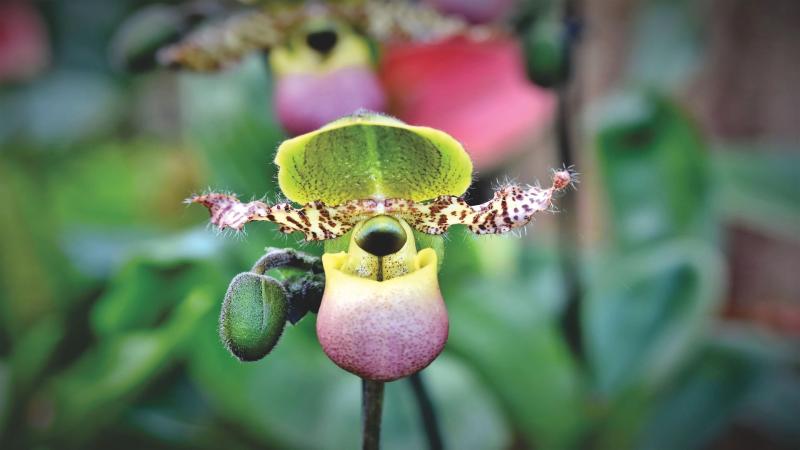
But there is a curious relationship between orchids and pollinating insects. Orchids have been around since about 80–100 million years. There are about 28,000 species of orchids in the world, which is twice the number of bird species. Over time, they have developed elaborate mechanisms to deceive these smart insects into helping them pollinate without providing them anything in exchange.