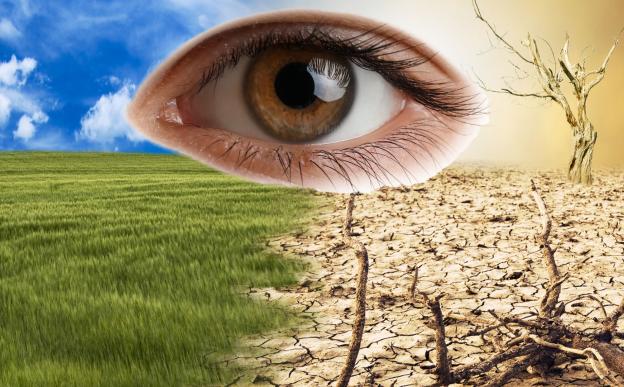
A new review reveals that rising global temperatures, increased pollution, and extreme weather events are driving a global surge in eye diseases, disproportionately affecting vulnerable communities and challenging healthcare systems.

Deep-dive

New Delhi

A new study offers fascinating insights into the decision-making process of the brain by comparing how both humans and rodents make decisions, especially when stressed or affected by a neurological disorder.
Thiruvananthapuram

A new way to accurately predict how materials respond to pulsed laser heating, even when the laser's behavior is a bit unpredictable, allowing engineers to  optimise laser parameters for applications, such as cutting, welding, drilling, and surface treatment.

Mumbai

Researchers replicate evolution in the lab using microbes and feeding them with subtly different sugars, and observing how their adaptations diverge

Ghaziabad

Researchers are exploring Ulva, a genus of green seaweed, as "tomorrow's wheat of the sea" due to its remarkable nutritional profile and incredibly high productivity.

Shillong

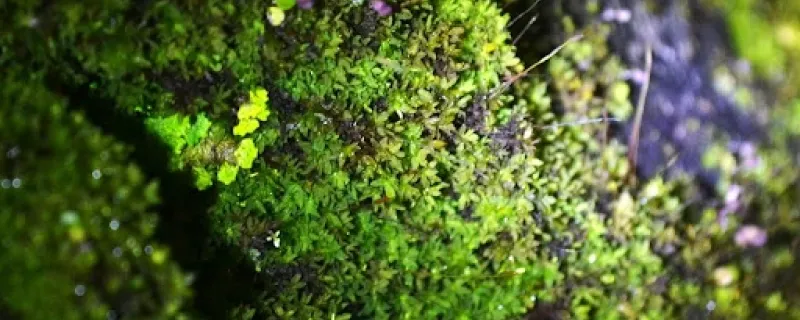
Lichens are proving to be sensitive indicators of climate change in the Himalayas, with their unique traits revealing shifts in temperature and precipitation.

Bengaluru

Researchers studied how the electrical and optical behaviour of a sheet of molybdenum disulfide (MoS2) changed with temperature and explored the role of imperfections in its electrical and optical properties.

Bengaluru

IISc researhers have developed a Natural Resource Rich Regions ranking method to identify and rank areas rich in natural resources, crucial for effective conservation and sustainable development.

Bhubaneswar

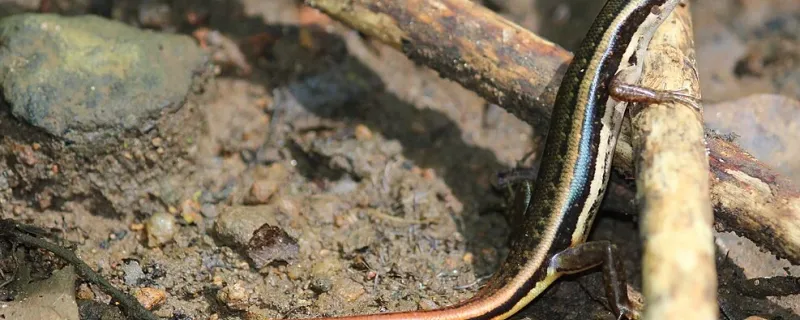
New research reveals that a unique Indian skink species arrived on the subcontinent by rafting across the ocean from Southeast Asia millions of years ago, a journey made possible by fluctuating sea levels.

Ahmedabad

New research compares two methods for keeping spacecraft in stable halo orbits near Earth Lagrange Point L1, finding the best approach depends on how much the spacecraft is nudged off course.

Mumbai

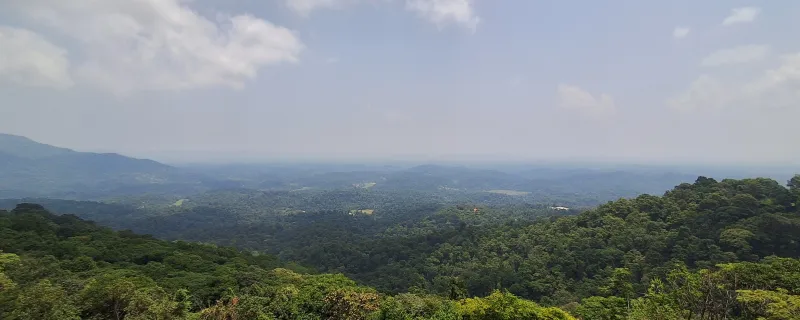
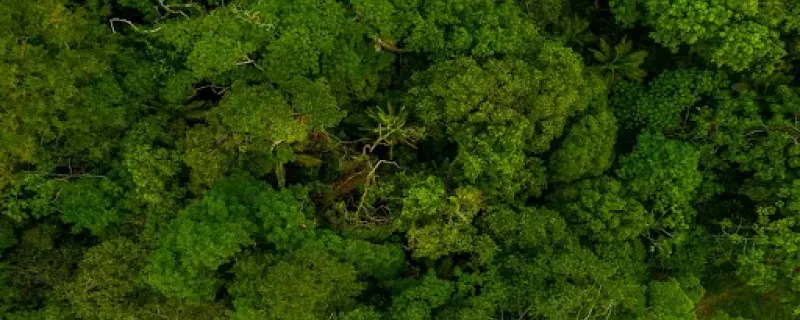
Forest gain from 2015 to 2019 is in fragmented patches, reveals a study conducted using a new framework designed by IIT Bombay and SASTRA Deemed University.

Search Research Matters