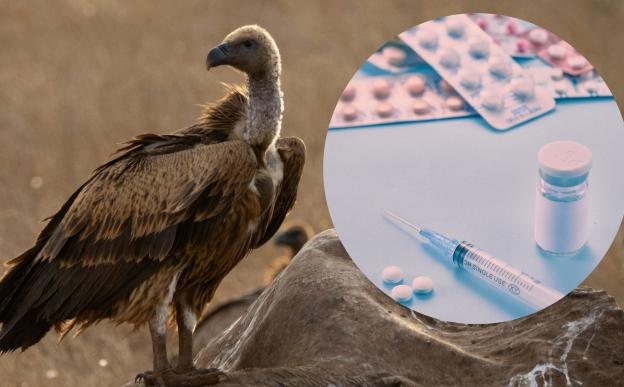
Despite successful bans on the veterinary drug diclofenac in Nepal and parts of India, a decade-long undercover investigation reveals that toxic alternatives like flunixin and nimesulide are rapidly replacing it, posing a renewed existential threat to the region’s critically endangered vulture populations.

General

New Delhi

Researchers studied the Kodava people's genetic code and found three genetically distinct ancient subgroups in their timeline.
Despite all our technological advances, we depend entirely on a healthy and vibrant ecosystem for our water, food, shelter, and energy. Respecting, protecting, and repairing our biological wealth is essential to ensure a habitable ecosystem.

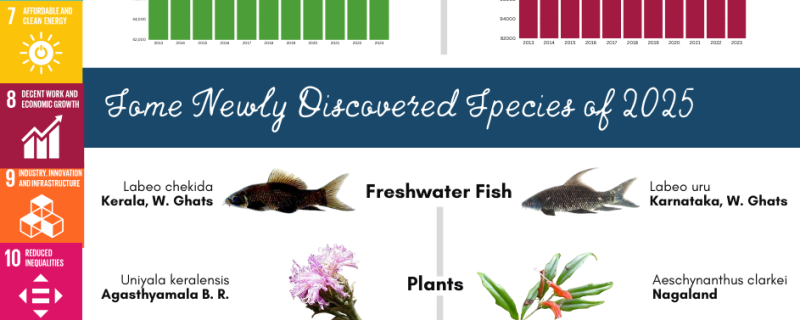
This International Day for Biological Diversity, the theme, Harmony with nature and sustainable development, connects protecting biodiversity with the Sustainable Development Goals (SDGs), showing that both agendas must advance together as they support one another.

Mumbai

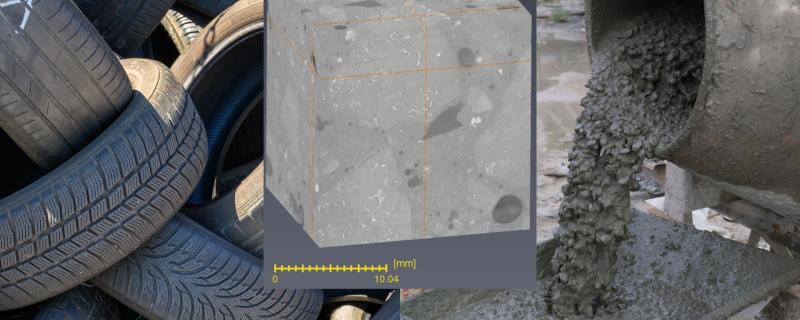
A microscopic look reveals how the unique ‘handshake’ between rubber and cement could be key to durable, sustainable construction.

Ahmedabad

Researchers are using luminescence dating to date samples of the mineral jarosite from Kachchh, Gujarat. Due to its geological similarities, this mineral is considered a good Martian analogue.

Chennai

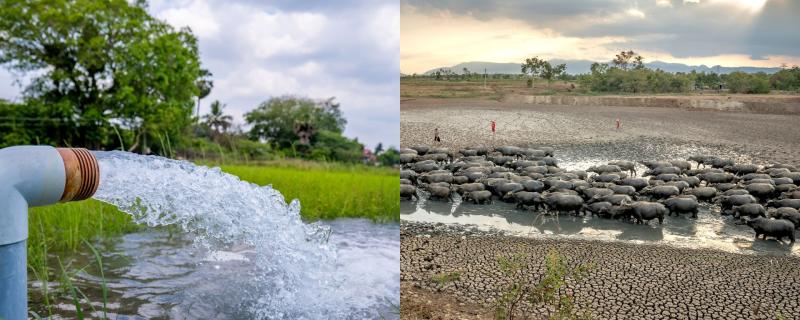
Researchers explored how extra hot days, called temperature shocks, are directly linked to household water poverty.

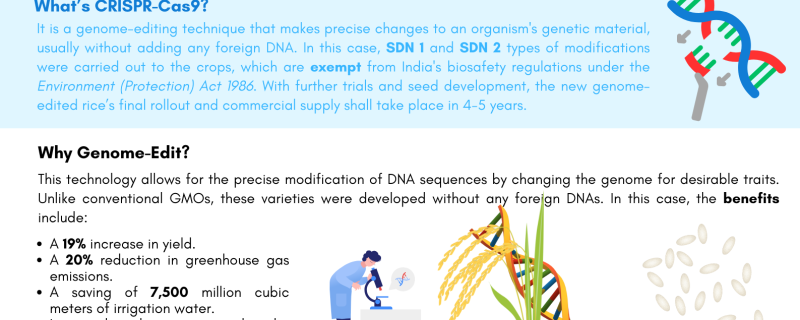
ICAR has developed two new genome-edited rice varieties – DRR Rice 100 (Kamla) and Pusa DST Rice 1 using genome-editing technology based on CRISPR-Cas9, which makes precise changes in the organism's genetic material without adding foreign DNA.

Dehradun

Researchers undertook a comprehensive snow leopard survey covering 59,000 square kilometres of Ladakh's terrain using camera traps and field surveys.

Hyderabad

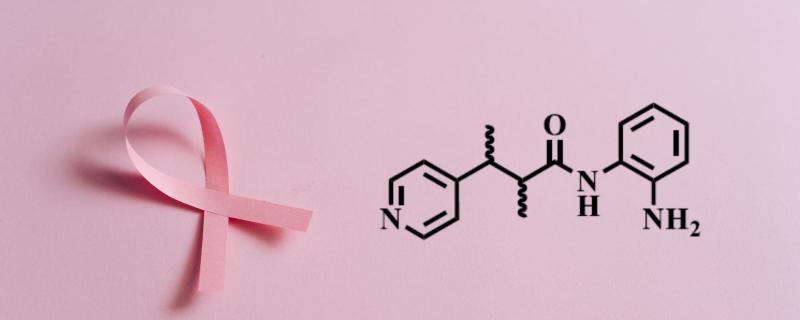
Researchers designed a new molecule called compound 7c that targets a specific HDAC called HDAC3, known to play a key role in the development and spread of aggressive breast cancer.

Mumbai

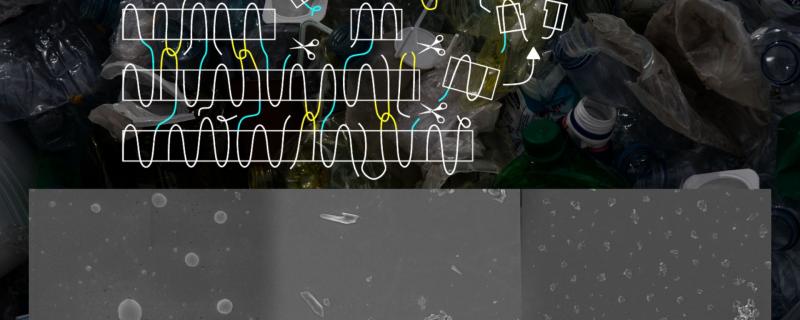
A study by a team at IIT Bombay and their collaborators reveals how the majority of commercial use plastic degrades into micro and nano plastic particles.

Bengaluru

Scientists from the ALICE collaboration at the LHC have announced the first evidence for antihyperhelium-4 nucleus detection.

Search Research Matters