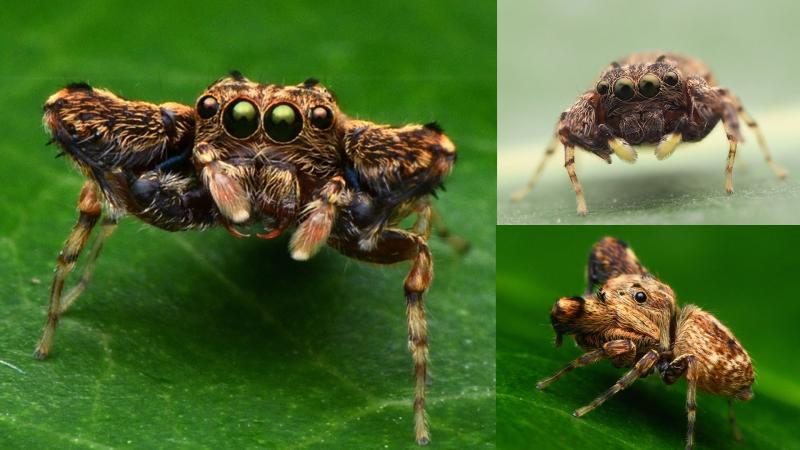
Pilia, an enigmatic genus of jumping spider has just been rediscovered in the tropical forests of Western Ghats after a staggering 123 years. The find has not only led to the description of a brand-new species, Pilia malenadu, but,  also allowed researchers to document the first-ever female of the entire genus.

Science

Bengaluru

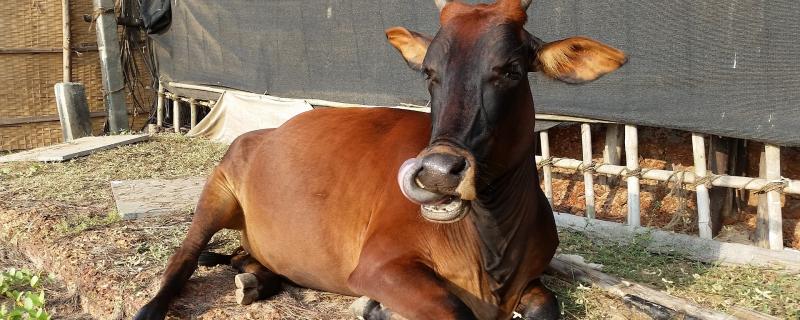
Antimicrobials, a class of drugs used in humans and animals to treat diseases caused by bacteria, fungi, and parasites serve as a proxy for good hygiene and make up for the poor husbandry practices in animal farms in low and middle-income countries around the world. However, this dereliction comes with a considerable cost wherein, the overuse of these drugs has led to these microbes developing resistance against the very same drugs used to kill them.  Antimicrobial resistance (AMR) in humans is linked to several animals, especially those that are raised for food. Despite this knowledge, it has received little attention in the world of animal science. A new study, published in the journal Science, has mapped the global trends of antimicrobial resistance in farm animals, with particular focus on developing countries, including India. 
Mumbai

Researchers compare how the Greek and Indian mathematicians measured the surface area of a sphere.

Bengaluru

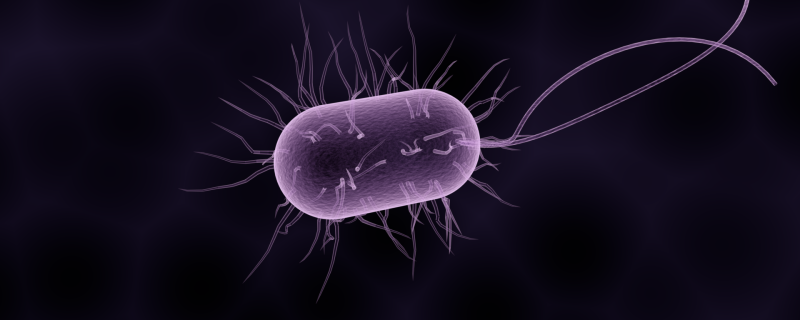
Antibiotics, drugs used to treat bacterial infections, have been pivotal in curing many bacterial diseases since its discovery in 1928. However, an emerging threat to using them is the rise of bacterial strains that are resistant to antibiotics. In a recent study, a team of researchers have used Drug Resistance Index (DRI) to measure the effectiveness of antibiotics against specific bacteria.

Bengaluru

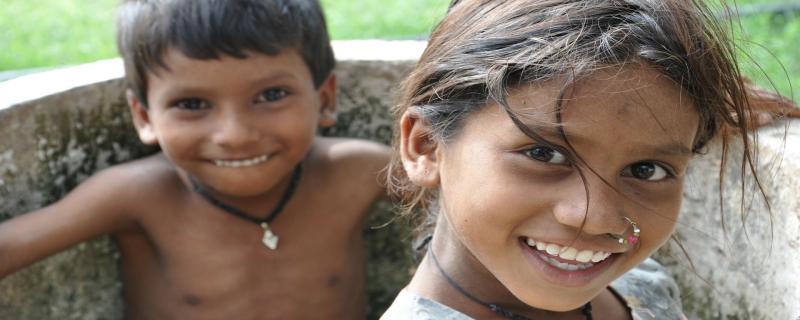
The differences in a child’s response to visual changes could point beyond how the brain functions, how it remembers its surroundings and detects changes. It could also indicate the parents education level and their economic status, says a new study. The study, published in the journal Developmental Science, looks into how children from disadvantaged backgrounds perceive visual changes.

Bengaluru

In a press announcement released yesterday, India has now joined 16 other countries as a Member of the Global Antimicrobial Resistance (AMR) Research and Development (R&D) Hub. For a country that ranks the highest in antibacterial resistance, this move expands global partnership opportunities to address challenges and improve collaboration in addressing the growing epidemic of antimicrobial resistance.

Bengaluru

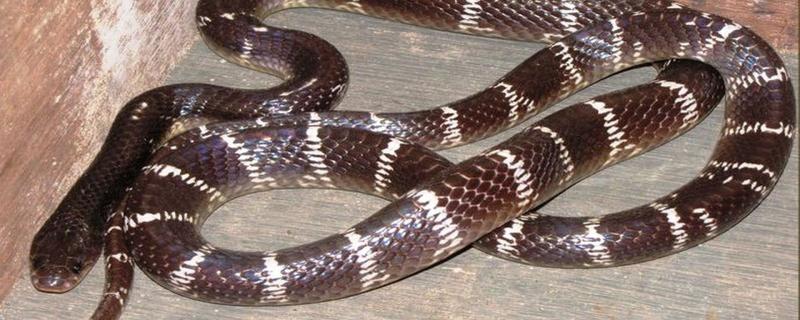
The Indian krait is undoubtedly the deadliest of all venomous snakes in the country, and possesses the most lethal concoction of poisons. In a study, a multi-institute research team, led by the Translational Health Science and Technology Institute (THSTI), Faridabad, have designed a synthetic antivenom with a nucleic acid aptamer which can diagnose Indian krait bites accurately and effectively.

Bengaluru

India, the world’s capital of diabetes, has an escalating diabetes epidemic. Diabetes, a non-communicable disease, affects about 8.7% Indians today, and this number is predicted to hit 70 million by 2025 and 80 million by 2030. Although the exact reasons for this rapid rise in diabetes in the country are not yet clear, experts blame it on multiple factors. In a recent study, researchers from the USA, Germany and India have investigated the status of diabetic care among Indian adults. The findings, published in the journal BMC Medicine, present a grim picture of diabetes management in different states and socio-demographic groups in India.

Bengaluru

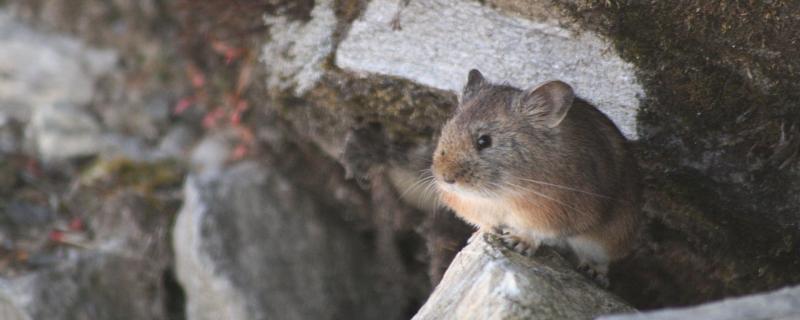
It’s getting tougher for the Royle’s pikas to survive in the Himalayas. But, these tiny, herbivores wouldn't move as they are particular about where they live. Restricted to rocky, mountainous terrains, they are now facing the wrath of rising temperatures and fluctuating environments. What would become of them in a few more decades? Can these fussy relatives of the rabbit find new homes and thrive? A new study by researchers from the Indian Institute of Science, Bengaluru and the Wildlife Institute of India, Dehradun tries to find out what the future holds for them, and that the findings are not good news.

Bengaluru

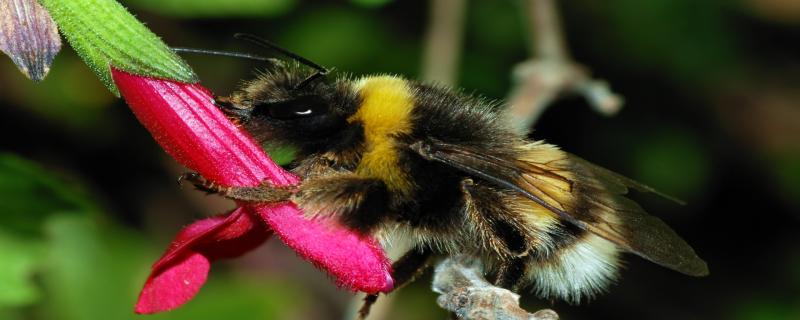
A first-of-its-kind study details diversity and distribution of bumblebees in the Eastern Himalayas. 

Bengaluru

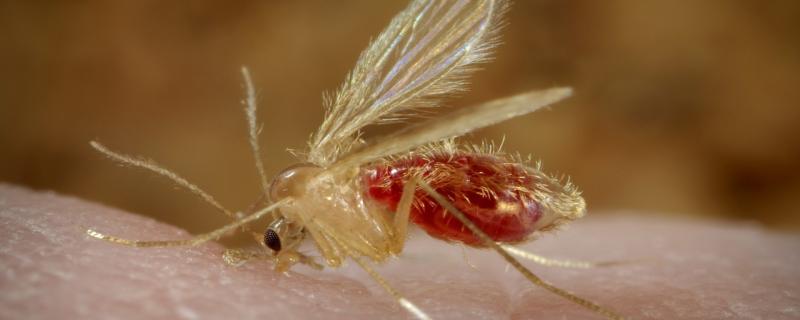
Visceral leishmaniasis, or kala-azar, is an insidious disease that affects thousands of people every year. This illness can be fatal, if not diagnosed and treated on time. However, despite best efforts, India still lags behind in eliminating this disease completely. A recent study published in the journal PLOS Neglected Tropical Diseases has investigated the factors that lead to the delayed diagnosis and treatment of kala-azar.

Search Research Matters