
Aerosols such as smoke or dust suspended in the lower layers of the atmosphere can either heat up the planet by trapping solar radiation, or cool it by reflecting sunlight back into space. Little is known, however, about how much aerosols that are present much higher up — above the clouds — contribute to this warming.
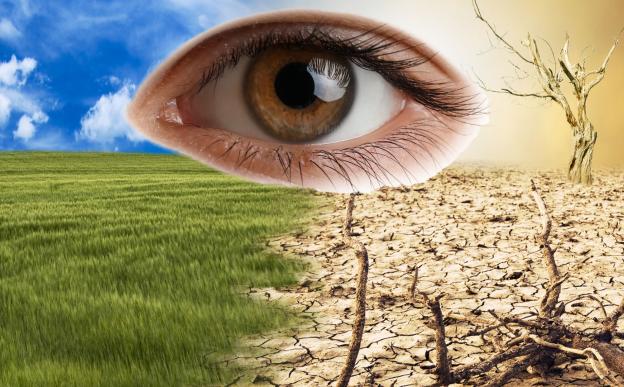
A new review reveals that rising global temperatures, increased pollution, and extreme weather events are driving a global surge in eye diseases, disproportionately affecting vulnerable communities and challenging healthcare systems.