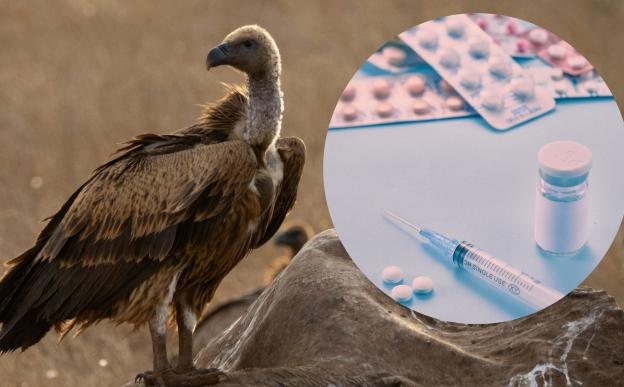
Despite successful bans on the veterinary drug diclofenac in Nepal and parts of India, a decade-long undercover investigation reveals that toxic alternatives like flunixin and nimesulide are rapidly replacing it, posing a renewed existential threat to the region’s critically endangered vulture populations.

Archives

Researchers from Indian Institute of Technology Bombay, Mumbai have observed a new phenomenon in a semiconductor quantum dot-- particles of nanometre (a billionth of a meter) size which are also called artificial atoms) made of Cu2ZnSnS4  (CZTS).
Researchers from the Indian Institute of Science, Bangalore use a computational approach to design peptides which are highly effective in killing drug resistant microbes.

Scientist from Visvesvaraya National Institute of Technology, Nagpur, National Institute for Material Sciences, Ibaraki, Japan and Institute for Plasma Research, Gujarat have developed a novel composite material composed of carbon nanotubes decorated with thin films of zinc ferrite (ZnFe2O4) for practical applications like, energy storage.

Scientists from the Indian Institute of Sceince, Bangalore show us how the humble grain of rice can be a historian and meterologist!

Scientist from Indian Institute of Technology Kanpur (IITK) have developed a novel ternary nanocomposite (compound made of three different nano compounds) which can remove methylene blue from a solution when shone with visible or Ultra Violet (UV) light.

Scientists from the Indian Institute of Technology, Kanpur, devise a new method to make chemotherapy safer and easier with the help of liposomes.

A new study by scientists at Council for Scientific and Industrial Research (CSIR) - Institute of Genomics and Integrative Biology and All India Institute of Medical Sciences in New Delhi have identified the potential role of two genes--ARID1A and KAT2B in the development of obesity.

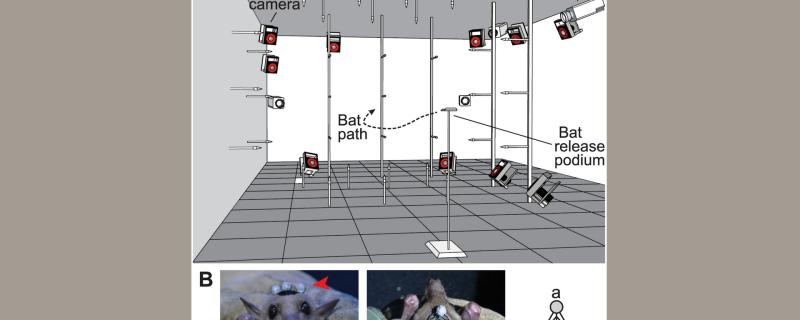
Bats use high frequency sounds waves to echolocate their food. While most bats move their heads, nose, ears or mouth to change the direction of the sound waves they produce, Egyptian fruit bats do so without any visible movements in their head or body. Scientists from IISER Pune and University of Washington, USA, Johns Hopkins University, USA explore how they pull off this feat.

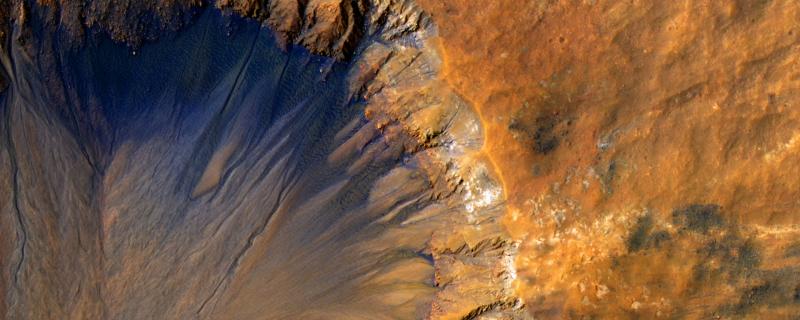
Using space-borne remote sensing instruments, scientists from Indian Institute of Technology Bombay (IITB) have detected evidence for hydrous and hydrated minerals on the Martian surface.

Indian Institute of Science (IISc), Bengaluru has for the third consecutive year, bagged the top rank in the National Institutional Ranking Framework (NIRF) which was announced by the Minister of Human Resource Development, Shri. Prakash Javadekar on 03 March 2018.

Search Research Matters