IIT Bombay’s new deep learning framework, named SpADANet, enhances damage classification accuracy using limited labels across multiple hurricanes.
Archives
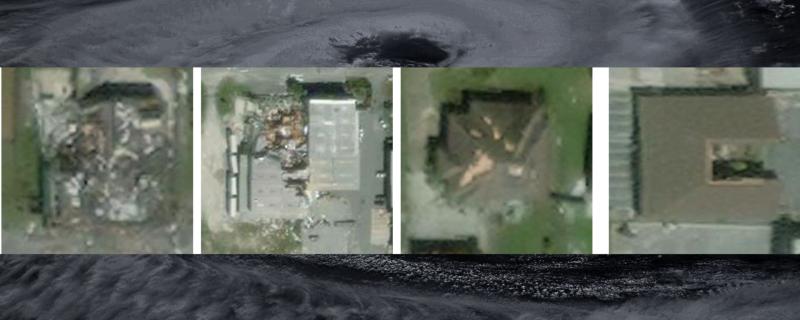
आईआईटी मुंबई द्वारा विकसित नया स्पाडानेट (SpADANet) नामक डीप लर्निंग फ्रेमवर्क सीमित लेबलों का उपयोग करते हुए कई, चक्रवातों में हुए हानि के वर्गीकरण की सटीकता को बढ़ाता है।
आयआयटी मुंबईद्वारे विकसित नवीन डीप-लर्निंग फ्रेमवर्क SpADANet (स्पाडानेट) मर्यादित लेबल्स वापरूनही अनेक चक्रीवादळांमधील संरचनात्मक नुकसान अधिक अचूकपणे वर्गीकृत करू शकते.
A new review reveals that rising global temperatures, increased pollution, and extreme weather events are driving a global surge in eye diseases, disproportionately affecting vulnerable communities and challenging healthcare systems.

New research reveals that as logged forests become hotter and drier, birds forced to live outside their specific temperature and humidity preferences suffer from lower body weight and reduced survival rates.
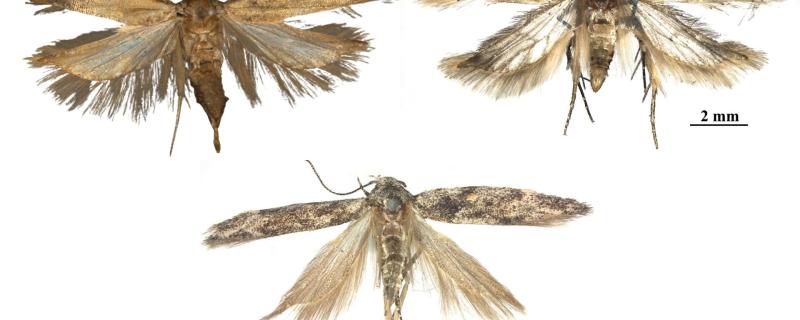
Gelechia bilobuncusa (top, left: ), Gelechia adi (top, right), and Istrianis ladakhensis (bottom). Image credit: Authors, https://doi.org/10.11646/zootaxa.5728.1.6
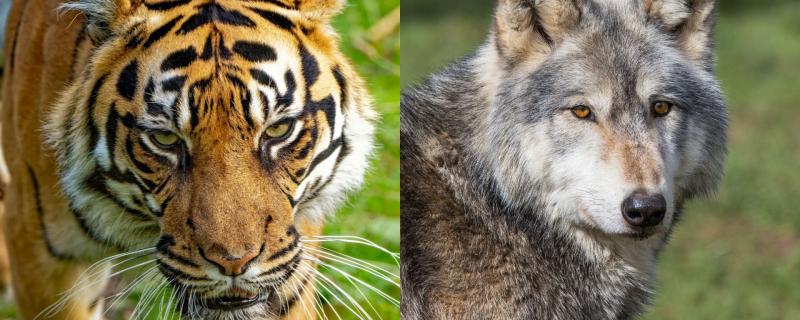
New research reveals that cultural tolerance and political pressure, rather than just biological science, dictate the life or death of tigers in India and wolves in Germany.
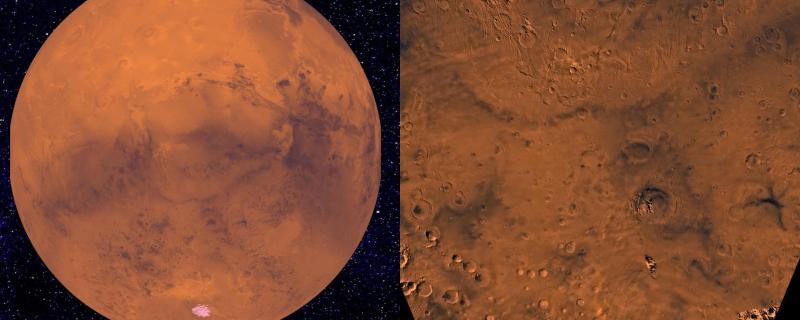
New evidence from Martian valley networks confirms a gradual climate shift from warm and wet during the Noachian period, around 4 billion years ago, to cold and icy by the Hesperian period, around 3 billion years ago.
मंगल ग्रह पर स्थित घाटियों के जाल से प्राप्त नए प्रमाण इस बात की पुष्टि करते हैं कि लगभग चार अरब वर्ष पहले नोआकियन काल में उष्ण और आर्द्र जलवायु धीरे-धीरे परिवर्तित होकर लगभग तीन अरब वर्ष पहले हेस्पेरियन काल तक ठंडी और हिममय हो गई थी।
मंगळ ग्रहावरील थौमासियन हायलँड प्रदेशाच्या प्राचीन हवामानात काळाबरोबर झालेला बदल दाखवणारा नवा अभ्यास
मंगळावरील प्राचीन नोआकियन कालखंडातील (सुमारे ४०० कोटी वर्षांपूर्वी ) उष्ण-आर्द्र हवामान हळूहळू बदलत जाऊन हेस्पेरियन कालखंडापर्यंत (सुमारे ३०० कोटी वर्षांपूर्वी) शीत व हिमाच्छादित बनले असे तेथील दऱ्यांच्या प्रदेशातील नव्या पुराव्यानुसार सिद्ध झाले.