
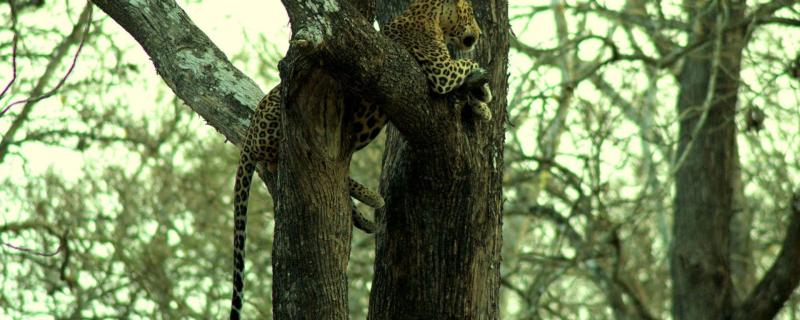
Leopards are one of the majestic cats in the wild who are in the news recently for all the wrong reasons. There are increasing reports of them mauling people, killing livestock and posing a danger in human dominated areas. In many cases, the leopards are unfortunately killed out of panic among people. In an interview with Mr. Nikit Surve, we present the reasons behind the rising human-leopard conflicts and how they must be handled in order for both to coexists peacefully in the same planet we both call home.
Archives
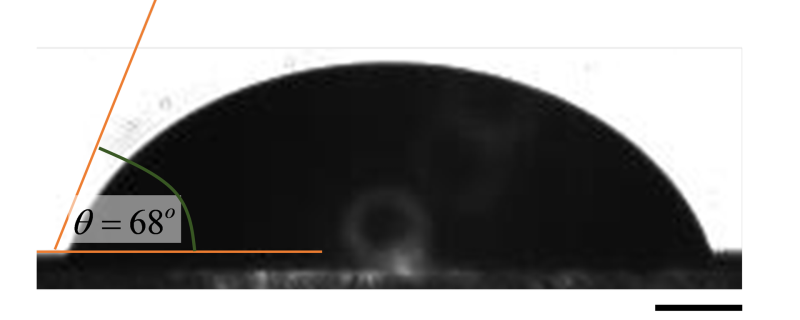
Nature has inspired humanity in many ways. A whole new field of biomimicry has now evolved, which deals with nature inspired techniques to address many of our challenges. Now, a new study inspired by the eye structure of trilobites -- sea creatures known to be extinct since the age of dinosaurs -- has discovered a novel method of lens fabrication that can ward off spherical aberration. The scientists have fabricated these lenses based on the shape of trilobites’ eyes which are unique and are not adjustable. These lenses, the scientists say, have superior optical performance and find use in a range of optical applications.

Survival of the fittest has been the norm in nature. Every organism that has to survive, has to find ways to escape from its predators or develop skills to adapt to the adversities of its environment. But, how does the immobile and defenseless pupa of a butterfly survive from being caught by predators? A new study has now explored strategies used by the pupa during its developmental stages to hide from the prying eyes of the predators. It says that based on environmental factors, the pupal colors change, which might help them survive by camouflage.
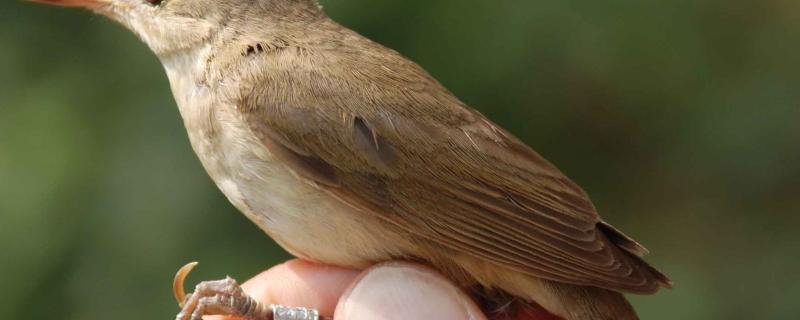
Migration of birds is a fascinating story. Many birds across the world travel to different locations in search of food and a warm place to breed. A new study has now found a dark side of the fascinating tale of migration -- the risk of spread of diseases. The researchers have studied two species of migratory birds and have identified the presence of two strains of parasites in them that could potentially spread the disease to the local bird population, which do not have the required immunity to fight against them. The researchers warn that their finding could put the entire local bird population at the risk of contracting the diseases.
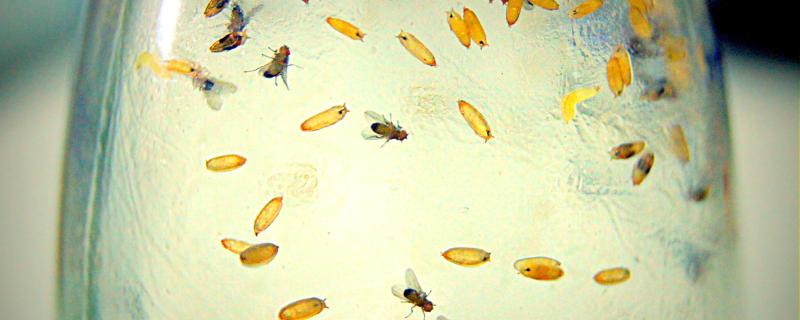
The theory of evolution has long been an interesting subject for scientists around the world, ever since Darwin’s proposal. Many new findings have shaped our understanding of evolution and some have changed what we knew thus far. Now a new study by scientists on fruitflies might further change how we have understood the importance of ‘trade-offs’ in evolution. The study has discovered that fruitflies develop immunity to a type of bacteria over a few generations without losing any other desirable trait, prompting scientists to believe that they have obtained immunity for free, a concept that was always associated with trade-offs.
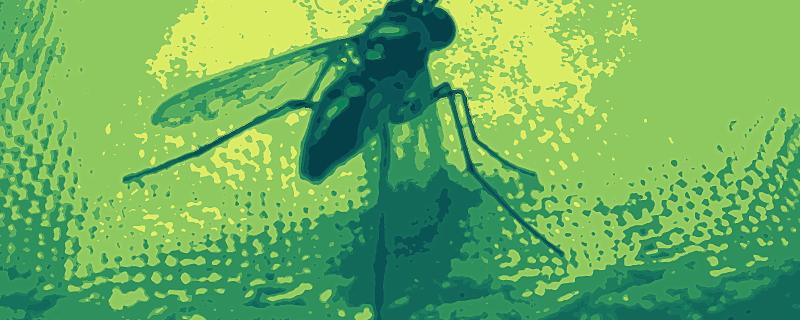
Kala-azar or visceral leishmaniasis is the second most deadliest tropical diseases after malaria and is spread by the bite of infected sandflies. India is one of the few countries still affected by this disease and has launched many programmes to eliminate the spread of the disease. Now, a new study has proposed a mathematical model that can help control the disease by monitoring the numbers of infected individuals and sandfly population, and has suggested that a combination of the drug based treatment and the use of insecticides to control sandflies could be our best strategy to eliminate the disease from the country.

The oceans make up 75% of our Earth and is home to a wide range of plants and animals that thrive in marine ecosystems around the world. Thanks to human actions, these ecosystems face a mounting threat, far too inconspicuous, for us to observe. Ocean pollution, raise in its temperature and rampant overfishing have threatened many species and have pushed them to the brink of extinction. On World Oceans Day, perhaps it is time to reflect what roles these oceans play in helping life on the land and think about how our activities have disturbed the fragile balance nature maintains in the deep blue seas.
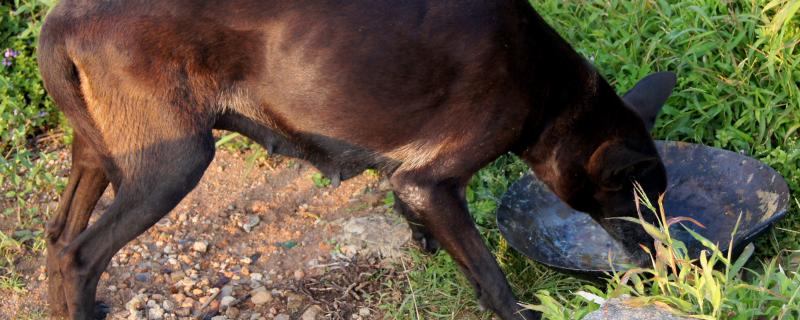
Dogs are long considered our best friends. Since the days of our civilizations, it is thought that dogs have started to share the cities that we build and have lived in them - eating up our wastes, protecting our livestocks, guarding us and sometimes irking us with their behaviour. Stray dogs are now seen as a menace more than as loving inhabitants of our cities. An increasing number of huma-dog conflicts are a testimony to that. A new research has thrown some insights into the behavioural aspects of stray dogs and has identified factors and measures that can help us make peace with the strays. By being aware and understanding of the behaviours of strays, a lot of such conflicts can be avoided, say the researchers.

India’s Information and Technology industry has served as a great success story for the outsourcing model. However, in order to sustain the growing competition and provide increasing value proposition, the industry must innovate and carve a niche for domestic talent too. In the recent past, the rise of IT clusters - geographical aggregation of related companies in IT -- have emerged as a ray of hope that not only provides jobs, but also enhances the value proposition, thanks to the ample talent pool. A new study has now identified factors that have led to the growth of these IT clusters in the metropolitan cities of India and the model followed by these clusters to spread to other cities.

The 5th of June every year is celebrated across the world as ‘World Environment Day’. People mark this event by planting saplings, spreading awareness about the importance of the environment to our survival and ways we can conserve this gift of nature for the future generations to come. But, have you ever wondered how we go about our lives on the rest of the days? What if we stopped a moment to think of the change it would bring about if we chose to walk to work instead of the car or take the bus? Of course it would change the climate for the good. Find out some tales of inspiration and alarming facts in this special on World Environment Day.