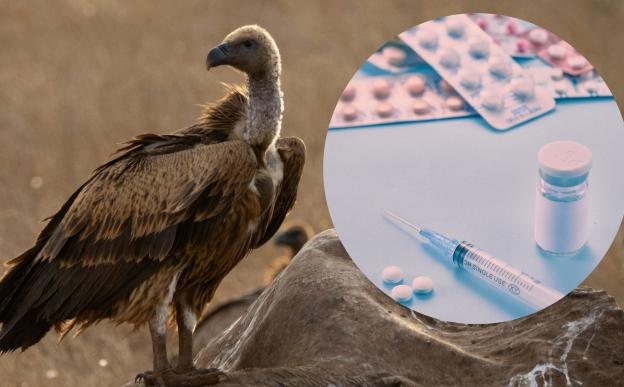
Despite successful bans on the veterinary drug diclofenac in Nepal and parts of India, a decade-long undercover investigation reveals that toxic alternatives like flunixin and nimesulide are rapidly replacing it, posing a renewed existential threat to the region’s critically endangered vulture populations.

Ecology

Bengaluru

An interesting year this one, with the world locked in and a virus reigning our lives. Nevertheless, there was no dearth of news in science. There was a considerable quantum of studies being reported even outside the realm of the rampant COVID-19 research. At Research Matters, we have tried our best to cover the most interesting stories in the Indian scene and listed below are our most popular stories this year. Take a look.
Mysore

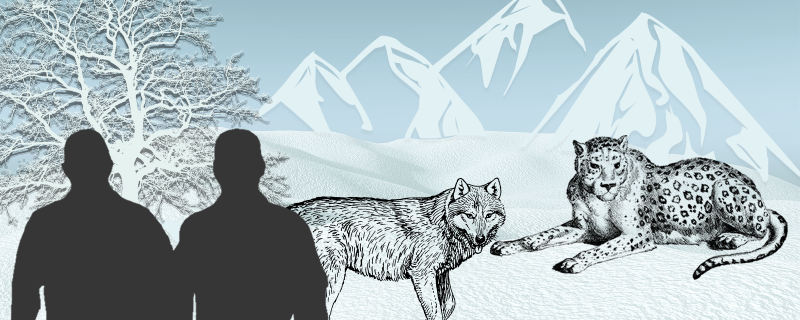
Study evaluates regional factors that play a vital role in reducing conflicts between people and wild animals in the Ladakh region.

Bengaluru

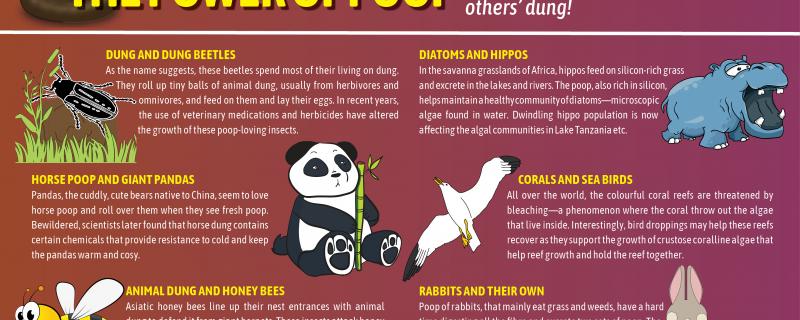
Some fantastic relationships between some animals and their or others’ dung.

Mysore

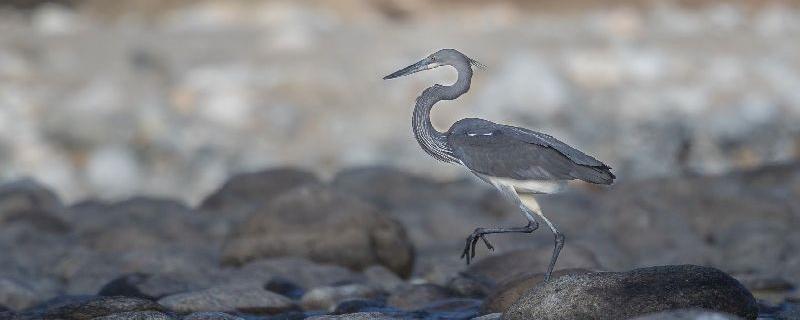
Researchers survey eighty-one river sites in Arunachal Pradesh and sight only seven White-bellied Herons.

Bengaluru

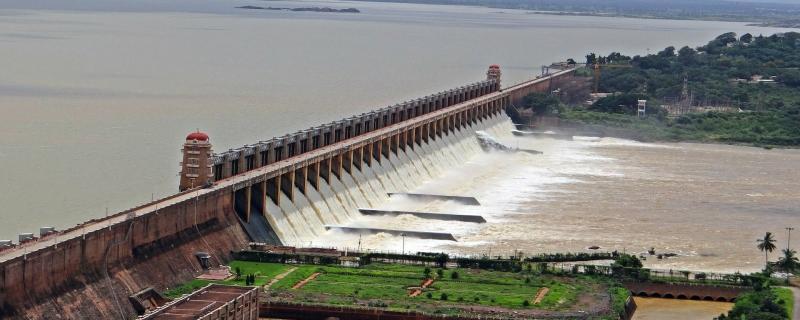
An aerial view of the Tungabhadra dam in Karnataka [Image Credits: Bishnu Sarangi from Pixabay]

Bengaluru

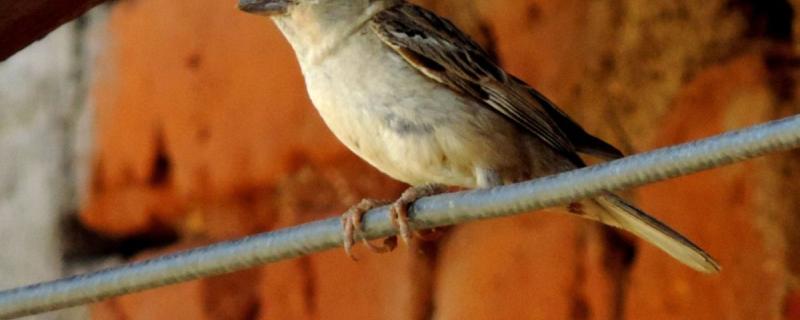
Powered by citizen science, the State of India’s Birds report calls for conservation efforts to save India’s aves.

Bengaluru

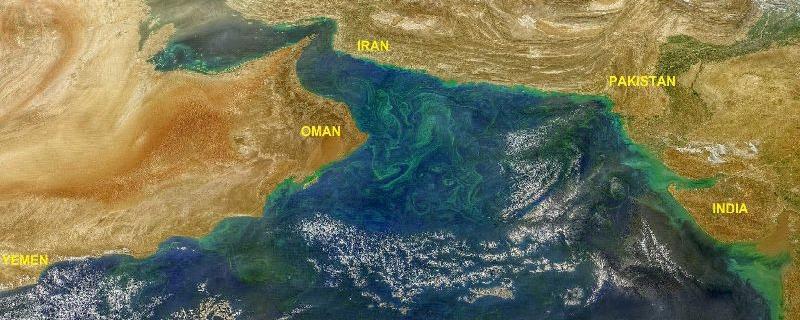
Noctiluca blooms in the Arabian Sea, as seen from space. [Image Credits: Norman Kuring/NASA]

Bengaluru

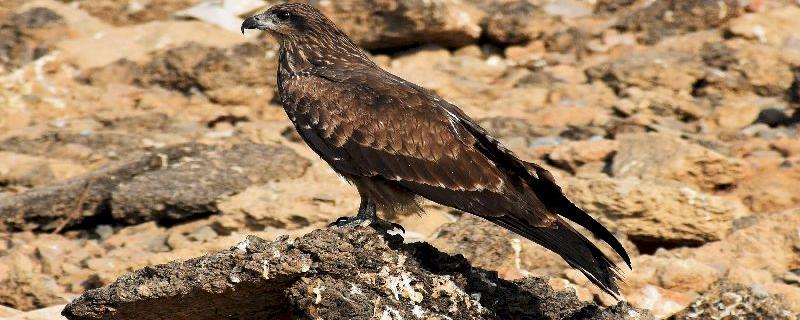
Black-eared kites take journeys of an astounding 3300–4800 kilometres each year across the Himalayas into Central Asia, and back. 

Bengaluru

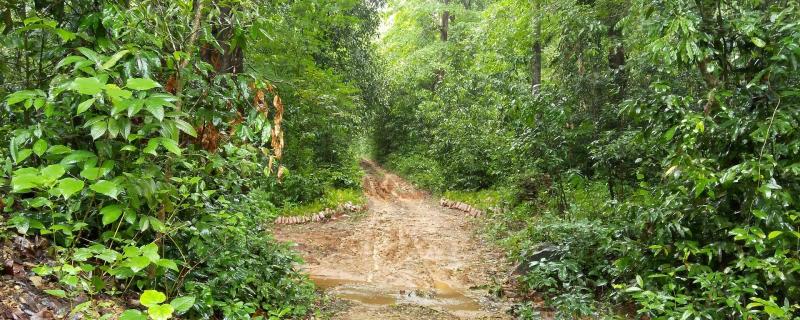
In a recent study researchers have assessed the ability of natural forest species and single-species (monoculture) plantations to capture and store carbon over a long period. 

Bengaluru

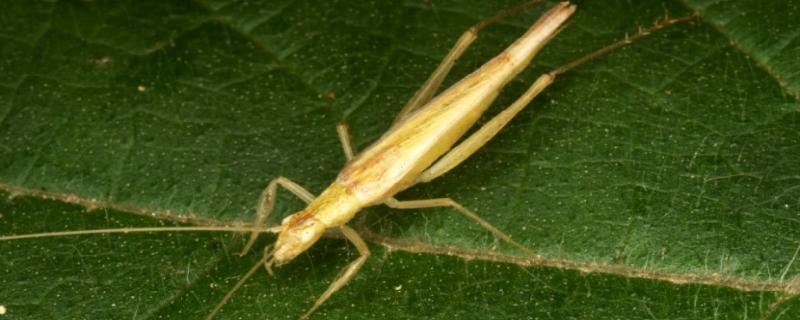
Searching for mates and predation risk can alter spatial interactions between tree crickets and green lynx spiders.

Search Research Matters