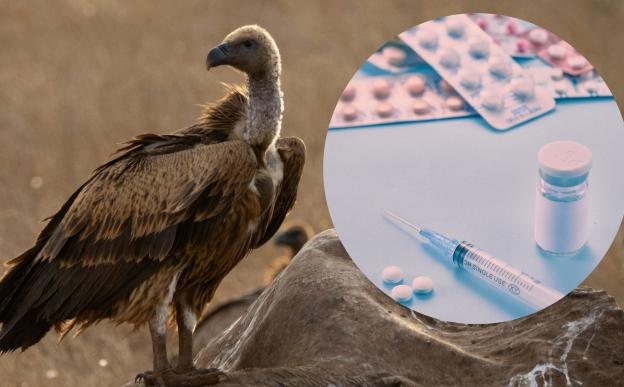
Despite successful bans on the veterinary drug diclofenac in Nepal and parts of India, a decade-long undercover investigation reveals that toxic alternatives like flunixin and nimesulide are rapidly replacing it, posing a renewed existential threat to the region’s critically endangered vulture populations.

Ecology

Bengaluru

A woman cooking food using improved cookstoves [Image credits: Udaipur Urja Initiatives]
Chandigarh

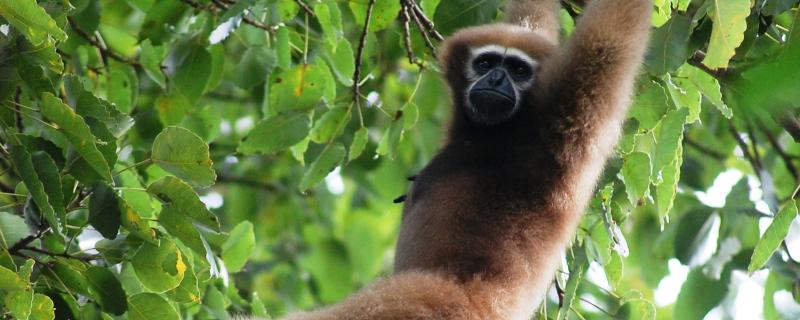
A Hoolock Gibbon from Meghalaya [Image Credits: Programme HURO / CC BY-SA (https://creativecommons.org/licenses/by-sa/3.0)]

The specimen, which is millions of years older than any previously known fossil, highlights their migration from Africa to Asia.

Bengaluru

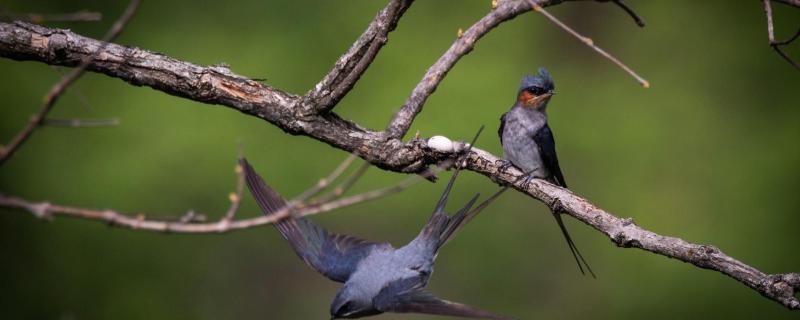
A pair of Crested treeswift with its egg [Image credits: Aditya Pal / CC BY-SA 4.0]

Mathematical models show that males should be selected to care more for their offspring rather than desert them.

Bengaluru

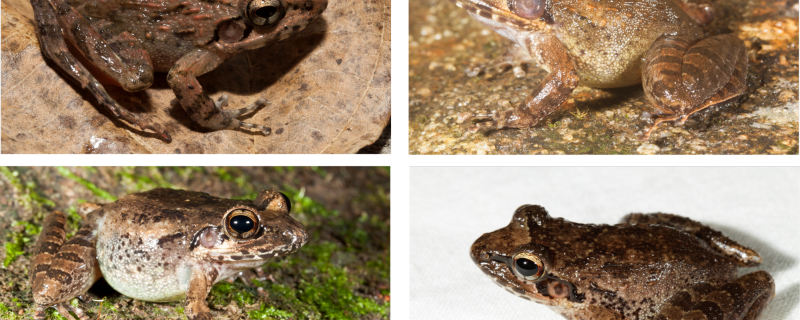
Some cryptic species of frogs in the Western Ghats (Left Top: Indirana semipalamata (Image credits: Saunak Pal), Left-Bottom: Indirana beddomii (Image Credits: Saunak Pal), Right-Top:

Bengaluru

Drought-stricken farmland in Karnataka [Image Credits: Pushkarv / CC BY-SA 3.0)

With climate change occurring at an alarming speed, study finds that temperatures across many parts of the globe, including South Asia, could reach the breaking point by 2050.

Bengaluru

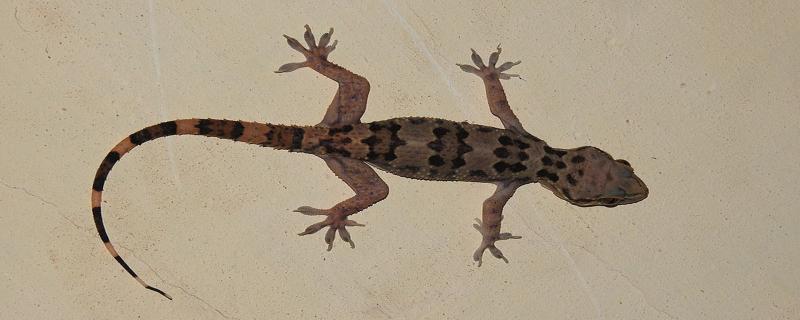
In a series of studies, researchers have investigated how the Hemidactylus geckos, or leaf-toed geckos, evolved during the two periods of climate change.

Kolkata

Studies have found that dogs tend to be friendlier in areas with frequent human activity. But what about their interaction with individuals of their kind in these areas? Do humans play a role here? A recent study from the Dog Lab IISER Kolkata has delved into the social interactions of dogs amongst themselves and with humans. 


Pune

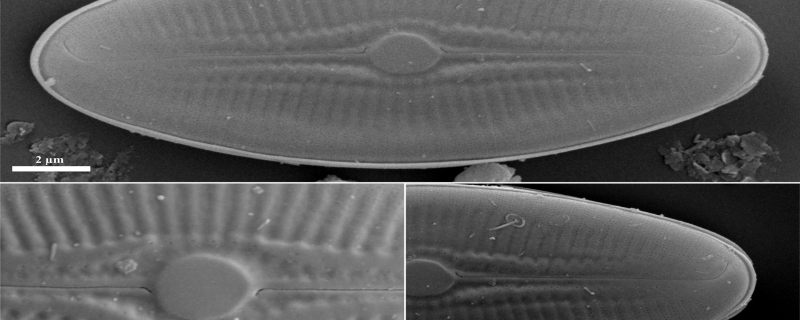
In a recent study, researchers describe this new species of diatoms from the Mawsmai caves in Meghalaya.

Bengaluru

Why are apple orchards moving higher up in the Himalayas? This shift is a result of the not-so-cold-anymore winters, says a recent study. 

Bengaluru

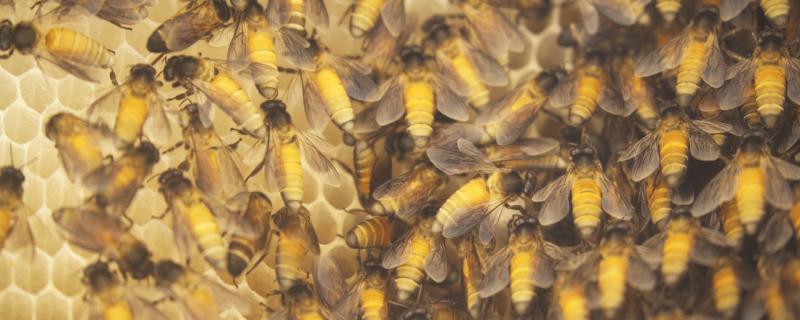
For years, chemicals in pesticides were thought to be the culprits, leading to the mass death of insects. Now, a new study has found that toxic pollutants in the air are equally responsible for this misery. Much like in humans, polluted air is affecting the survival, behaviour, health and genes of pollinating insects, honey bees in this case.


Search Research Matters