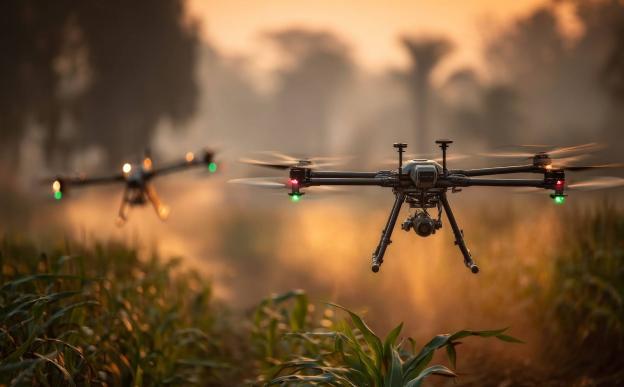
Novel scheme by IIT Bombay researchers to control drones can enable complex formation flying using only camera data, without GPS or inter-drone communication.

Archives

In you childhood days, you might have killed an ant by squeezing or poking it. Or may be smashed a pest like cockroach. But how about killing bacteria by poking them? What if that means a bacteria-free world? A new study by scientists has tried to exactly that using nanoscale surface undulations on titanium surface to kill bacteria by rupturing their cells. This innovation, the scientists say, serves as a great alternative to getting rid of bacteria instead of using antibacterial drugs.
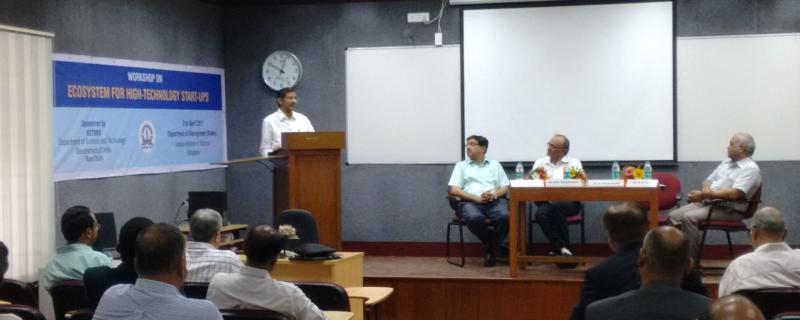
Bengaluru is today famous for the number of technology companies that have sprung up, be it domestic or multinational. A new addition to this list are the home-grown technology start-ups who have transformed Bengaluru into a hub of technology start-ups. But what factors led to this transformation of a city that was once a ‘pensioner’s paradise’ into one that is bustling with the energy of the youth? A new study has now tried to identify those factors and analyse how each of them helped Bengaluru transform into what it is today. Read on to learn about this exciting journey.

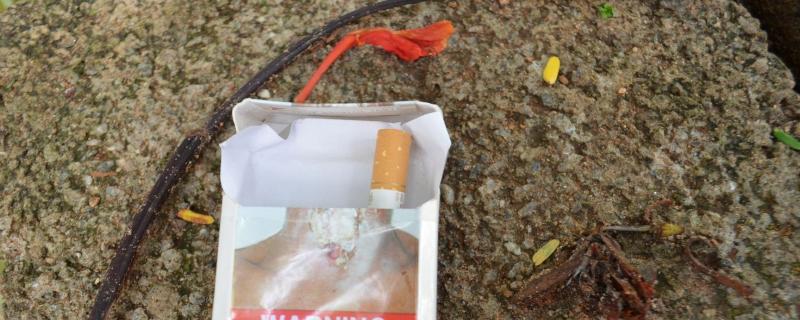
Tobacco is one of the five most addictive substances in the world. No wonder, there are so many people around the globe who use tobacco in various forms. Nicotine, the chemical in tobacco leaves soon takes its toll by causing various health complications, sometimes fatal too. Apart from affecting health, unabated tobacco use can cripple a country’s economy and cause a dent to its productivity. Today, on World No Tobacco Day, read more to know how tobacco harms an individual and a society and what steps countries around the world have taken to curb this menace.

If you believe herbal medicines are your panacea for every ailment, you might want to think again! A new study has pointed out rampant adulteration and mix-up of plants being traded for the preparation of herbal medicines in India. This trend, the researchers say, might make the medicines unsafe and inefficient for the purposes they are taken for. Lack of quality assurance and regulations in the trade are the reasons behind this, say the researchers.

The ozone layer around our Earth protects us from the Sun’s harmful radiations. But who should protect this layer which is in distress due to the use of ozone depleting substances? Since this is a man-made disaster, the responsibility of fixing it lies on us.Have we been successful in restoring the ozone layer?  Yes, to an extent, say researchers of a new study that has studies the dynamics of the ozone layer in Antarctica.  The study shows that there has been a reasonable recovery of healing of the ozone hole, since the signing of the Montreal Protocol in 1987, where the world took action to save the ozone layer.

Higher education in India has been a long debated issue. With the cost of education escalating by the day and many students opting for such courses, the need for funds and means to raise them has become a social issue. A recent study has now uncovered new trends in funding higher education in private institutions and has highlighted the phenomenon of philanthrocapitalism in higher education followed by some niche institutes. This, along with factors like neoliberalism and partnership between government and businesses herald a new wave in funding higher education in India, says the study.  

Images with low quality spell doom not only for your photographic skills, but also for the numerous medical diagnosis that doctors do using scanned images of your body. Now, researchers have developed a new algorithm that can denoise  such bad quality images in a few seconds. Running on advanced processing units called graphical processing units, the algorithm promises to be a new hope in the rising field medical imaging, satellite imaging and other fields dealing with high resolution images. 

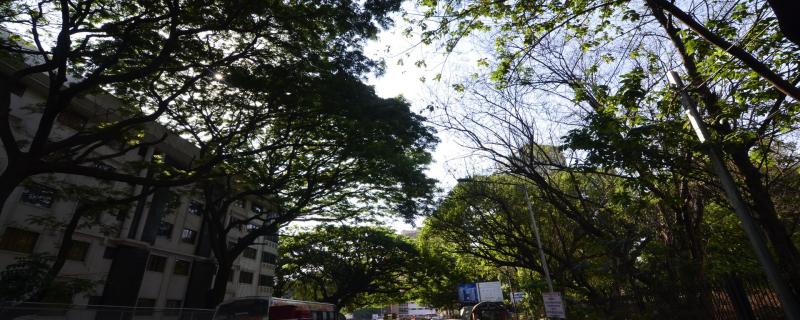
If there is one thing that is rapidly disappearing from today’s urban landscape, it is the trees -- many of them being cut down relentlessly to make way for roads, buildings, dams and the likes. But what can we do about those that have miraculously escaped the axe, apart from hugging them? Mapping them! Yes, you read that right. Today, various tree mapping campaigns are on that is calling on everyone to help map the trees in your neighbourhood. This data is of immense importance for further studies on urban ecology. So, what are you waiting for? Grab your phone and get mapping...

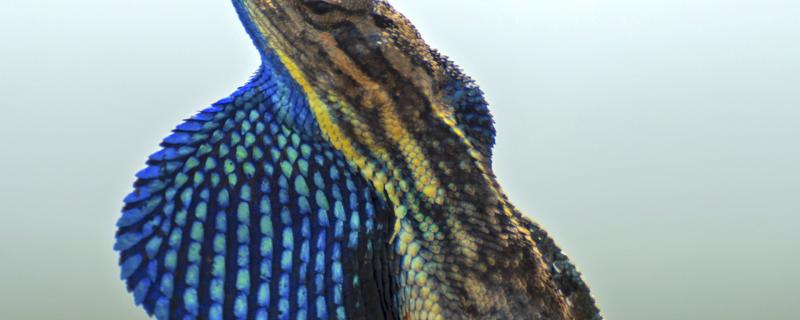
Have you ever wondered how animals communicate with each other? While some might use sound by howling, chirping or roaring, others, like the resplendent superb fan throated lizards have evolved a unique form of communication using colors. In a new study, researchers have understood the complex system these lizards use to signal to each other using their colorful dewlaps. Using colors like orange, blue and black, these lizards signal differently to males and females of their own, say the researchers.  

A new study by researchers could be a breakthrough in our fight against tuberculosis that has a long history. The researchers have identified an enzyme in the bacteria that causes TB, inhibiting which could kill the bacteria effectively. A first of its kind study, the researchers hope this enzyme can be targeted to develop effective drugs against TB without any side effects. 

Search Research Matters