आयआयटी मुंबईद्वारे विकसित नवीन डीप-लर्निंग फ्रेमवर्क SpADANet (स्पाडानेट) मर्यादित लेबल्स वापरूनही अनेक चक्रीवादळांमधील संरचनात्मक नुकसान अधिक अचूकपणे वर्गीकृत करू शकते.

Archives

Study from IIT Bombay finds that airborne pollutants affect the water available for agriculture.

Scientists from the Indian Institute of Science, Bangalore, use magnetic fields to navigate nanomotors in cells.

Researchers from Indian Institute of Technology Bombay (IITB), Mumbai, have looked at the benefits of availing access to information and communication technologies (ICT) during travel time. The study shows that access to ICT equipment had significant positive impacts on multitasking activities.

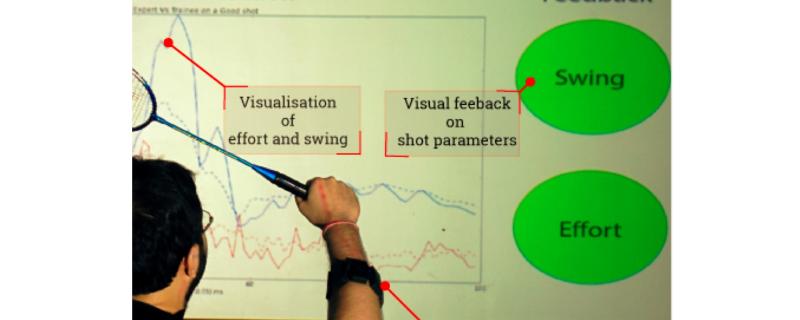
IIT Bombay researchers design a badminton training system using wearable technology.

The Indian National Science Academy (INSA) has announced the winners of the INSA medal for young Scientists for the year 2018. Thirty young scientists from institutions and universities across the country have been selected for their contributions to science and technology.

Research from the Indian Institute of Technology, Bombay, shows how persistence of fog over urban area has changes due to higher temperatures in the cities.

ಮಧುಮೇಹ, ಅಧಿಕ ರಕ್ತದೊತ್ತಡ, ಪಾರ್ಕಿನ್ಸನ್ ಮುಂತಾದ ಸಾಂಕ್ರಾಮಿಕವಲ್ಲದ ರೋಗಗಳು, ಅಂದರೆ, ಒಬ್ಬ ವ್ಯಕ್ತಿಯಿಂದ ಮತ್ತೊಬ್ಬರಿಗೆ ಹರಡದ ರೋಗಗಳು, ಇಂದು ಸಾರ್ವಜನಿಕ ಆರೋಗ್ಯ ಕ್ಷೇತ್ರದ ಪ್ರಮುಖ ಸವಾಲುಗಳಾಗಿವೆ. ಭಾರತದಲ್ಲಿ, ಸುಮಾರು ಮೂವರಲ್ಲಿ ಒಬ್ಬರಿಗೆ ಅಧಿಕ ರಕ್ತದೊತ್ತಡವಿರುತ್ತದೆ ಮತ್ತು ೮% ರಷ್ಟು ಜನರಿಗೆ ಮಧುಮೇಹ ಇರುತ್ತದೆ ಎಂದು ತಿಳಿದುಬಂದಿದೆ.

The excruciating pain of having a failed organ and the grim chances of replacing it is a struggle of millions of patients across the globe. A ground-breaking discovery in this field, is giving a whole new definition to having one’s own personal organ! This discovery is none other than tissue engineering -- a science that has changed the face of organ transplant.

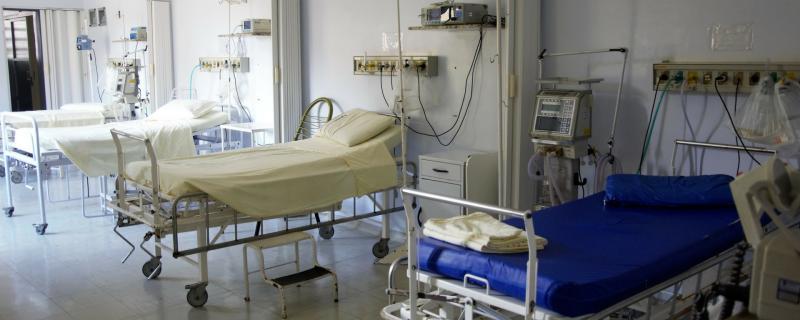
The superbug series: Part 3. The final of a three part series talks about antibiotic resistance showed by disease causing bacteria, its reasons, the problems associated with antibiotic resistance and the severity of the issue in India.

Researchers from Indian Institute of Technology Indore have demonstrated a new, ultrasensitive glucose sensor, made of nanopetals of Nickel Oxide (NiO). The new device has shown robustness and very high sensitivity, while utilizing very little power.

Search Research Matters