आयआयटी मुंबईद्वारे विकसित नवीन डीप-लर्निंग फ्रेमवर्क SpADANet (स्पाडानेट) मर्यादित लेबल्स वापरूनही अनेक चक्रीवादळांमधील संरचनात्मक नुकसान अधिक अचूकपणे वर्गीकृत करू शकते.

Archives

In a multinational collaborative study, researchers have designed a novel mobile app that can help novice designers in converting existing artifacts or mechanical objects into abstract representations. Prof. Amaresh Chakrabarti from the Centre for Product Design and Manufacturing, Indian Institute of Science, Bangalore and his team, consisting of researchers from Taiwan, have used Augmented Reality to build this tool that can aid design innovation.
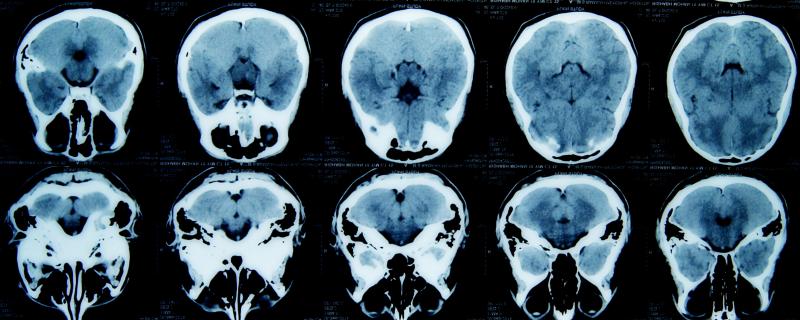
In a collaborative study between the Indian Institute of Science (IISc), Bangalore, and the University of Twente, The Netherlands, researchers have designed a new algorithm for image recovery in Photoacoustic Tomography (PAT). PAT is an important non-invasive biomedical imaging technique where the optical contrast rendered by laser beams and the superior resolution of ultrasound waves are used to study biological tissues. The new algorithm works better with higher accuracy as compared to the conventional ones in use today.

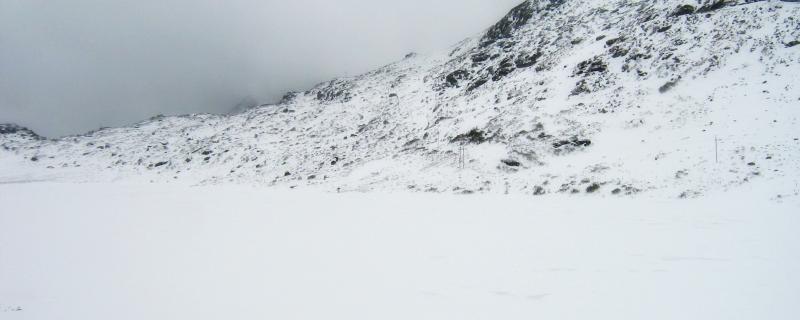
In 2013, melting of the Chorabari glacier led to heavy floods in Uttarakhand and Himachal Pradesh, causing massive loss of life and property. Glacier lake outburst floods (GLOF) like this, have become a major safety concern in the Himalayas and other mountainous regions across the world. A group of researchers from the Indian Institute of Science, Bengaluru has now developed a unique model that can help prevent massive damages. Led by Prof. Anil Kulkarni at the Divecha Centre for Climate Change, the model serves as a tool for safe planning and timely monitoring of glaciers.

Over the last several decades, antibiotics have played a critical role in fighting infectious diseases caused by bacteria and other microbes. However, blatant misuse and overuse of these drugs has resulted in the bacteria becoming resistant to a wide range of antibiotics where it changes itself to eliminate the action of the antibiotics and thus renders the drug useless. A recent work by researchers at the Indian Institute of Science, Bangalore and the Bose Institute, Kolkata, has addressed the challenge of antibiotic resistance using nanotechnology.

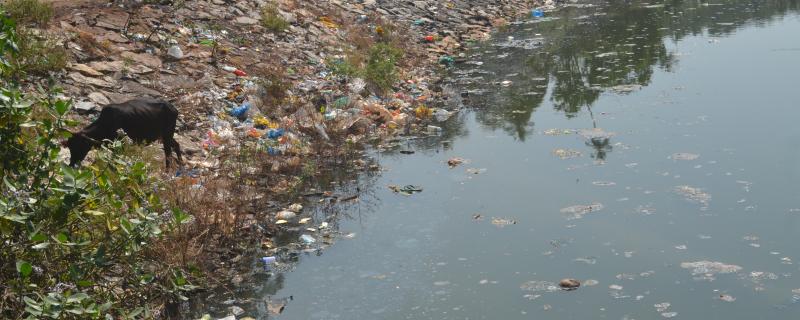
“There is no such thing as ‘away’. When we throw something, it must go somewhere”, said Annie Leonard, a famous critic of consumerism. But what happens around “somewhere” when we throw out our wastes? A recent study by a team of researchers at the Indian Institute of Science, Bengaluru, has analyzed the composition of the water that passes through landfills and has dissolved and suspended matter from it, called leachate, from the infamous Mavallipura landfill and has examined its effects on the nearby lakes and wells. Prof. T. V. Ramachandra from the Centre for infrastructure, Sustainable Transportation and Urban Planning (CiSTUP) and his team have also highlighted the resulting ill effects and suggested some steps to minimize the same.

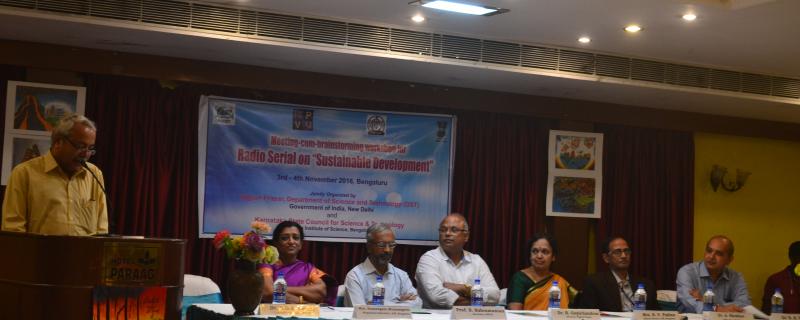
Vigyan Prasar is preparing to start a new series on sustainable development, to be aired on the radio and supported by All India Radio (AIR) and Karnataka State Council for Science and Technology (KSCST). Various researchers, conservationists and AIR broadcasters from various states met on November 3rd, 2016, in Bangalore for a two-day workshop to discuss the format and the content of the programme. Several luminaries attended the inauguration of the workshop including Dr. R. Gopichandran, Director of Vigyan Prasar, Dr. B. K Tyagi, Scientist-E at Vigyan Prasar, Mrs. B.V. Padma, Station Director of AIR, Bengaluru, Prof. H N Chanakya, the chief research scientist at the Centre for Sustainable Technologies, IISc and Prof. S. Subramanian, Secretary of KSCST.

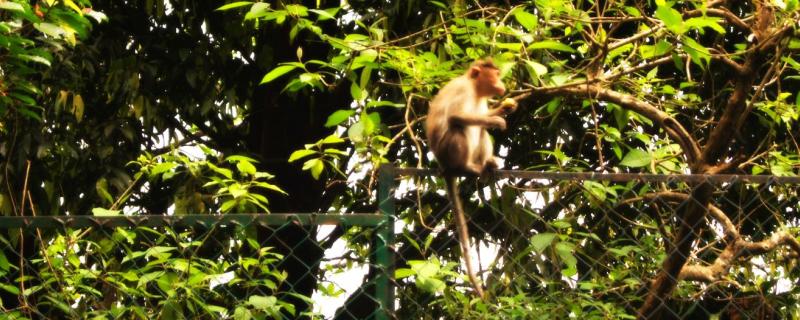
Researchers have, for the first time, reported in detail a little known source of water among great apes and Old World monkeys – a family of primates that inhabit the forests of Asia and Africa. The team, led by Prof Anindya Sinha of the National Institute of Advanced Studies, Bangalore, observed eight species of great apes and Old World monkeys (belonging to the Cercopithecidae family), drinking water accumulated in tree-holes.

Most entrepreneurs with a pioneer product face a common set of challenges - knowing how their product would be received in the market, finding the best strategy to advertise it and identifying the initial set of “seed users” who would use the product and provide feedback on its improvements. In the age of social media where information diffuses at massive speeds, how should one identify the set of users who have the maximum influence in reaching out to a larger crowd? In a recent collaborative study, researchers at the Indian Institute of Science, Bangalore and IBM India Research Labs have studied how information diffuses on social networks and have identified strategies to answer this question.

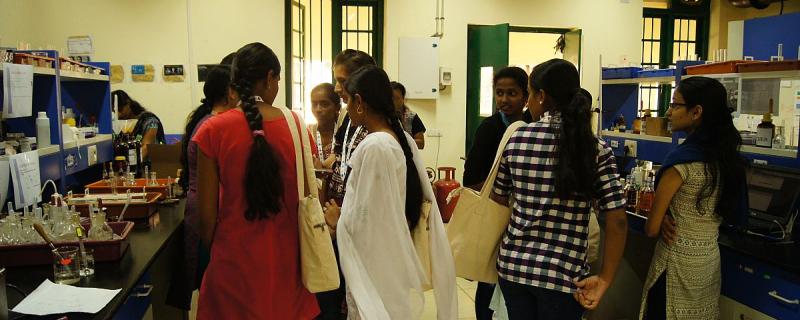
The campus of the Indian Institute of Science, Bengaluru, was buzzing with an air of tender enthusiasm and aspiration, thanks to the visit of “Chetana” scholars. “Chetana” is a novel initiative to encourage and inspire talented young girls studying in government-run higher secondary schools across Karnataka, to take up a formal education in science. The Department of IT, BT and S&T, Government of Karnataka, has organized this program in collaboration with the Karnataka State Council for Science & Technology (KSCST) and IISc, Between 17th October and 27th October, 28 students selected in this program, visited IISc for 10 days and were provided with an opportunity to visit the research facilities and labs as well as interact with students and academicians of this prestigious institute.

Prof. Gautam R. Desiraju, Dr. S. P. Gopi and Dr. S. Ganguly, at the Solid State and Structural Chemistry Unit, IISc have designed a new multicomponent solid which is a combination of the antibacterial norfloxacin and the antimicrobial sulfathiazole in the form of a salt.

Search Research Matters