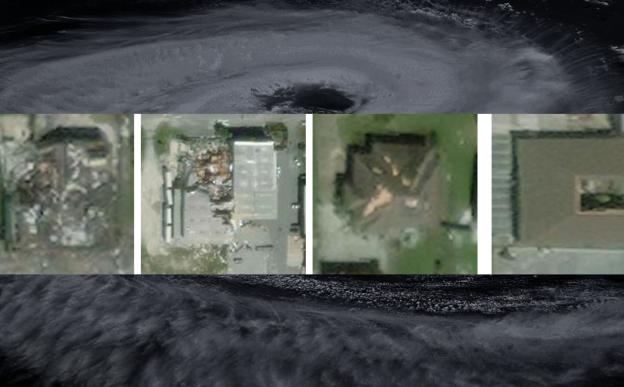
आयआयटी मुंबईद्वारे विकसित नवीन डीप-लर्निंग फ्रेमवर्क SpADANet (स्पाडानेट) मर्यादित लेबल्स वापरूनही अनेक चक्रीवादळांमधील संरचनात्मक नुकसान अधिक अचूकपणे वर्गीकृत करू शकते.

Archives

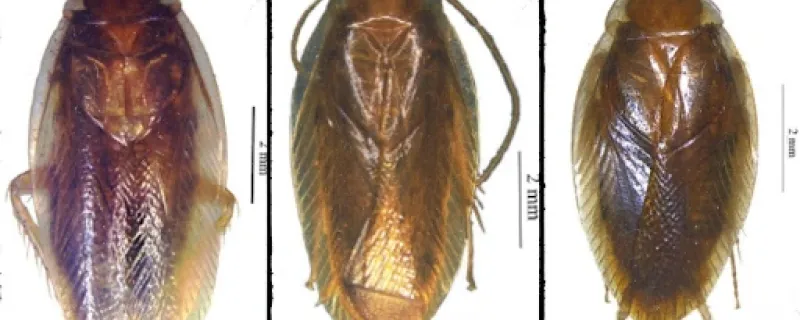
ZSI researchers have officially introduced the genus Anaplectoidea to India, describing two entirely new species and hinting at more undiscovered diversity within the country's rich ecosystems.
A new study reveals how wastewater surveillance can track flu, RSV, and COVID-19 variants, offering a unique window into community health.

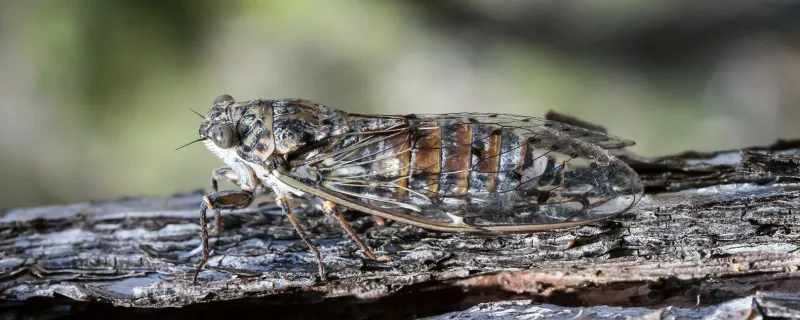
Cicadas synchronize their morning serenades not just by light, but by listening to each other, revealing a complex collective decision-making process.

New research challenges conventional wisdom on public debt limits, offering novel insights for emerging economies.

A novel AI tool, DrugProtAI, promises to transform drug development by accurately identifying proteins that can be targeted by medicines, addressing a major hurdle in clinical research.

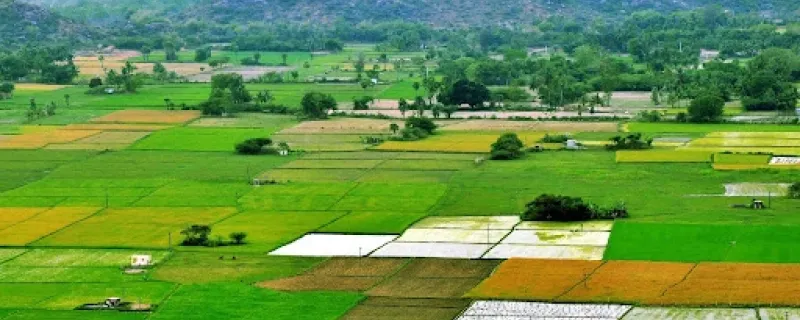
Analysing data from 1975 to 2014, a study examining changes through three waves over 40 years by researchers at IIT Bombay and the University of Hyderabad found that productivity in India's semi-arid tropics depends less on farm size and more on access to inputs, credit, and markets.

1975 से 2014 के मध्य आई तीन लहरों के प्रभाव से कृषि क्षेत्रों में हुए परिवर्तनों का विश्लेषण करते हुए आईआईटी मुंबई एवं हैदराबाद विश्वविद्यालय के शोधकर्ताओं ने पाया कि भारत के अर्ध-शुष्क उष्णकटिबंधीय क्षेत्रों में होने वाली उपज, खेत के आकार की तुलना में निवेश, ऋण एवं बाजार तक पहुँच पर अधिक निर्भर करती है।

१९७५ ते २०१४ या कालखंडातील माहितीच्या विश्लेषणातून आयआयटी मुंबई आणि हैदराबाद विद्यापीठातील संशोधकांनी कृषी क्षेत्रातील गेल्या ४० वर्षातील तीन टप्प्यांमधील बदलांचा मागोवा घेतला आणि त्यात असे दिसून आले की भारतातील अर्ध-शुष्क उष्णकटिबंधातील कृषी उत्पादनक्षमता शेतजमिनीच्या आकारापेक्षा आवश्यक संसाधनाची उपलब्धता, पत किंवा कर्ज आणि बाजारपेठा या घटकांवर अवलंबून आहे.

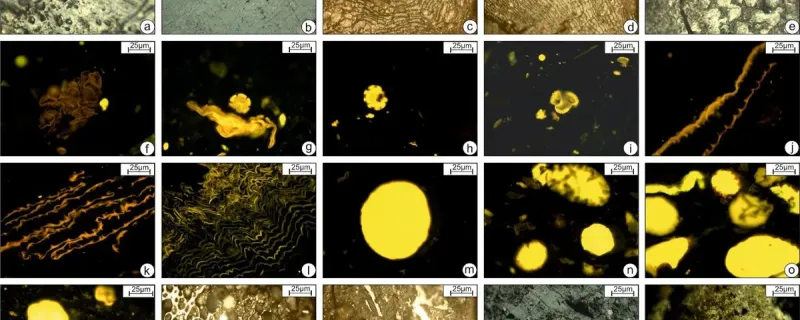
India's Eocene rainforests, preserved in amber, offer a vivid window into how intricate ecological webs sustained biodiversity through past climate shifts, providing crucial insights for our warming world.

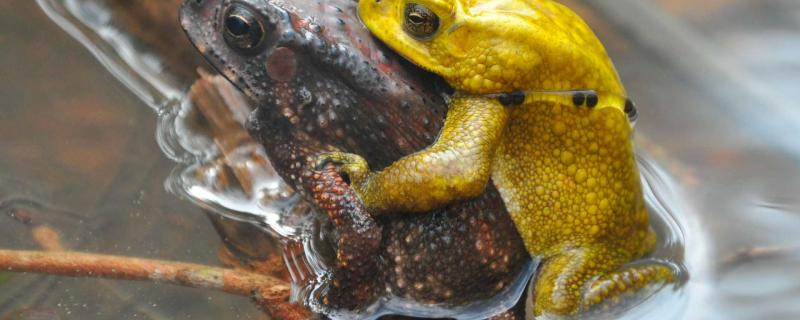
In the chaotic phenomenon of explosive toad breeding, males' ability to rapidly change from brown to bright yellow acts as a crucial visual signal, helping them avoid other males.

Search Research Matters